



Car seats are essential for child safety during vehicle travel. They must fit the child’s age, weight, and height.
Choosing the right car seat can be a daunting task for parents and guardians, given the vast array of options available on the market. Safety should always be the top priority, followed by ease of use and compatibility with your vehicle.
It’s crucial to ensure that the car seat you select meets all current safety standards and regulations. Regular updates and improvements in car seat technology mean that staying informed about the latest models and features is beneficial. Installation and proper use according to the manufacturer’s instructions significantly contribute to the effectiveness of this seat in protecting children. With the right car seat, parents can have peace of mind knowing their child is secured in the best possible way during every journey.
Introduction To Child Car Seat Safety
Ensuring child safety in vehicles is vital. A well-installed car seat can significantly reduce the risk of harm to children during accidents. With road injuries being one of the leading causes of child fatalities, the correct use of the car seat is not just a recommendation; it is imperative for protection.
Child car seat safety cannot be overstated. Proper use saves lives and minimizes injuries. Parents and guardians must understand the importance of choosing the right car seat, fitting it correctly, and regularly checking for any recalls or updates from manufacturers.
| Age Group | Percentage of Car Accident Fatalities |
|---|---|
| Under 1 year | 1% |
| 1-4 years | 3% |
| 5-9 years | 2% |
These statistics highlight the need for proper car seat use. Parents should prioritize car seat safety to protect their children.
Types Of Car Seats For Different Ages
Car seats keep kids safe while riding in cars. Three main types exist for different ages. Let’s explore each one.
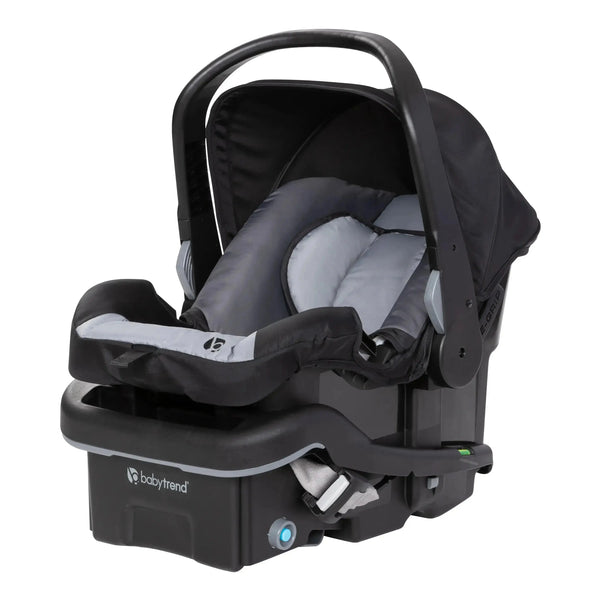
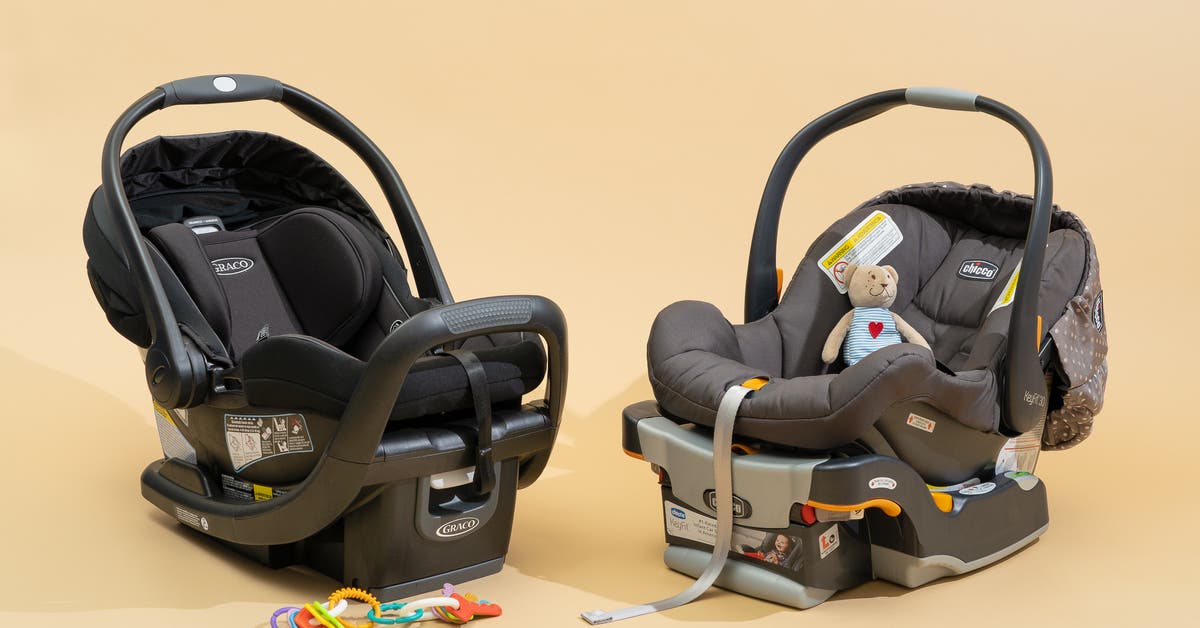
Infant Car Seat is for newborns and babies up to around 2 years old. They face the back of the car. This is the safest way for little ones to travel.
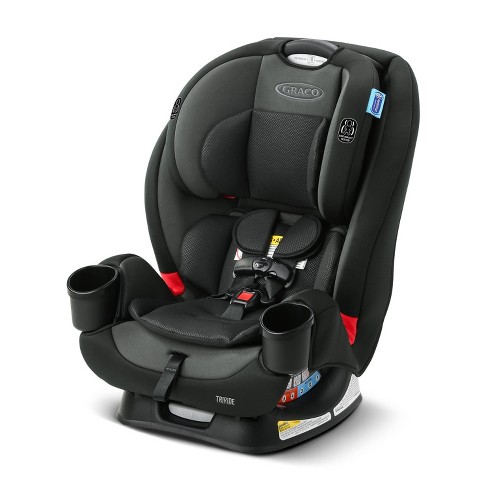
Convertible Car Seat can change from rear-facing to forward-facing. They fit babies and toddlers. This type grows with your child, making it a smart choice for many families.
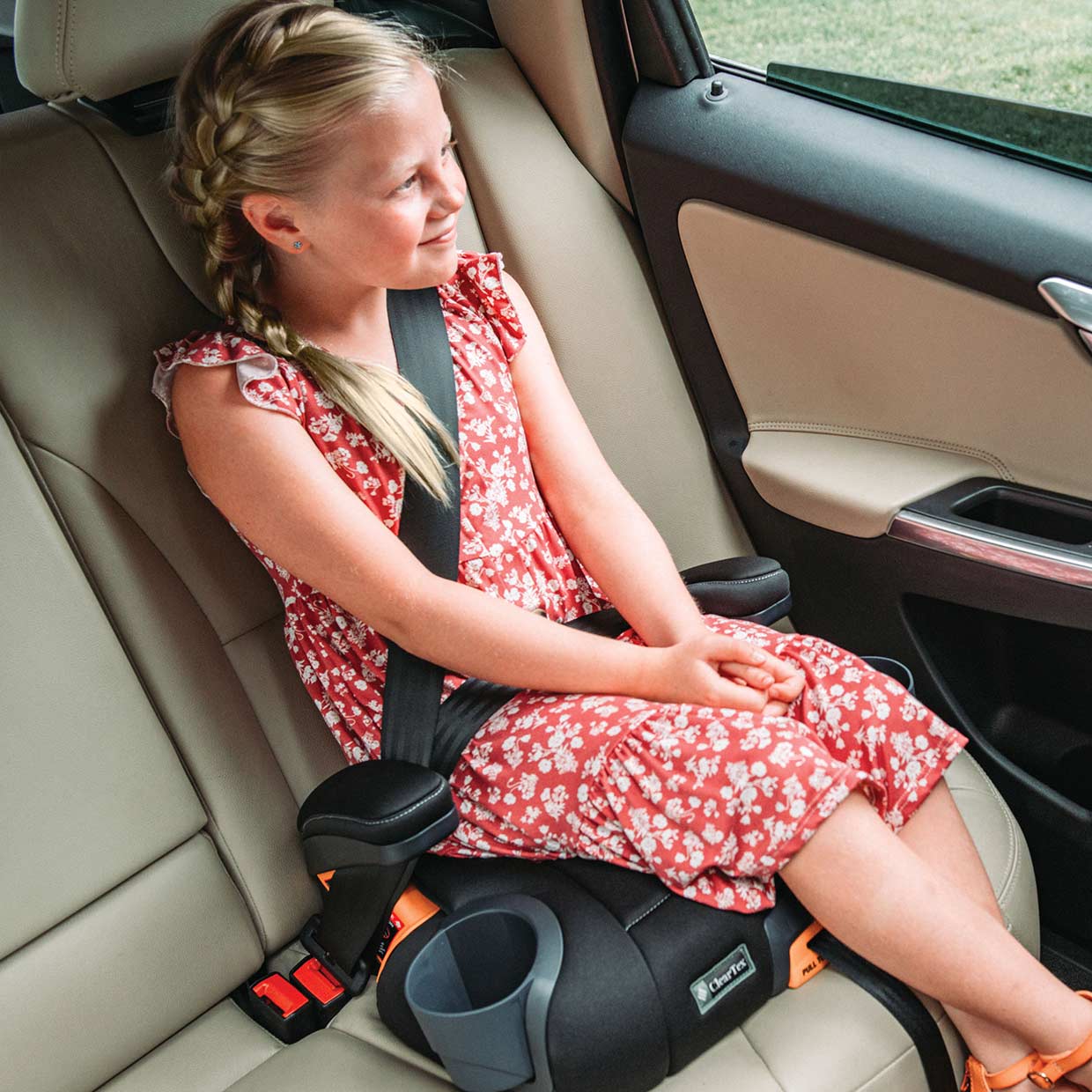
Booster Seats are for older kids. They use the car’s seat belts. Booster seats make sure the seat belt fits correctly. Kids use them until they are big enough for seat belts alone.
Choosing the right car seat is key to your child’s safety on the road. Each type has its own benefits. Always check the weight and height limits to ensure the best fit.
Key Features To Look For In A Car Seat
Safety is paramount when choosing a car seat. A Five-Point Harness System is crucial. It includes straps for shoulders, hips, and between the legs. This design secures children firmly. It also distributes forces during a crash.
Side Impact Protection offers additional safety. It shields the head, neck, and spine. This feature uses energy-absorbing foam or a reinforced frame.
Look for a car seat with Easy Installation. Clear instructions are a must. Some models have color-coded paths for the seat belt. Others feature a click-in base. These make securing the seat simpler.
Installation Tips For Maximum Safety
Reading the Manual is crucial for correct car seat installation. Clear instructions ensure safety. Always start with the manufacturer’s guide.
Securing the Base firmly is key. Use either the seat belt or the LATCH system. Both are safe but never use both together. Make sure the base doesn’t move more than an inch side-to-side or front-to-back.
To Check for Proper Fit, ensure the harness is snug. The chest clip should be at the armpit level. Straps must lie flat without twists.
Understanding Car Seat Regulations
Car seat regulations are key for your child’s safety. The USA has federal safety standards that all car seats must meet. These rules make sure the car seat is strong and safe. Each state can also have its own rules. This means some places might ask for more than the federal rules. It’s important to check both.
States might differ on age, weight, and height requirements for the car seat. This helps protect kids as they grow. Some states require booster seats for older kids. Others have rules on which way the car seat should be faced.
Remember, always check your state’s laws. This will help keep your child safe on the road. Keeping up with these rules can also avoid fines.
Credit: Amazon.com
When To Upgrade Your Child’s Car Seat
Understanding when to upgrade your child’s car seat is crucial for safety. Check the height and weight limits on the car seat label. This ensures your child fits within the manufacturer’s recommended guidelines. Watch for these signs:
- Shoulders above the top harness slots
- Head reaches the top of the seat
- Ears are in line with the top of the seat
- Weight exceeds the seat’s limit
If your child meets any of these criteria, it’s time for a new seat. Safety is the priority. Choose a seat that fits your child’s current size and growth potential.
Maintaining And Cleaning Your Car Seat
Regular Inspection for Wear and Tear is vital for car seat safety. Check the seat for any signs of damage. Look for frayed straps or torn fabric. Ensure buckles and latches click firmly into place. Replace parts as needed to keep the car seat secure.
Cleaning Tips for Hygiene: A clean car seat is important for your child’s health. Use a gentle, soapy solution to wipe down surfaces. Avoid harsh chemicals that could harm the materials or your child. For fabric covers, follow the manufacturer’s instructions, which might suggest machine washing. Dry thoroughly to prevent mold. Use a soft brush for crevices to remove crumbs and debris. Keeping the car seat clean helps ensure a safe and hygienic ride for little passengers.
Common Misuses Of Car Seats To Avoid
Many parents unknowingly misuse the car seat by not positioning the harness correctly. The harness should lie flat against the child’s chest and collarbone. Shoulder straps must be at or just below the shoulders for rear-facing seats. For forward-facing, they should be at or just above. Always buckle the chest clip at armpit level.
The second-hand car seat can be risky. Safety may be compromised with missing parts or expired materials. Always check the expiration date and verify that the seat has not been recalled. Never use a car seat that has been in a moderate to severe crash. It is crucial to have the original manual to ensure proper use.
| Car Seat Part | Correct Usage |
|---|---|
| Harness Position | Flat against the chest, at correct height |
| Chest Clip | Buckled at armpit level |
| Expiration Date | Check and adhere to date |
Resources For Further Learning
Car seat safety is crucial for protecting children during travel. Parents and caregivers can benefit from Car Seat Safety Clinics and Inspections offered by local health departments, hospitals, and fire stations. These events provide hands-on assistance from certified technicians. They ensure these seats are installed correctly.
For those unable to attend a clinic, numerous online guides and tutorials are available. These resources offer step-by-step instructions and videos. They cover everything from selecting the right car seat to proper installation techniques. Websites such as SafeKids.org and the National Highway Traffic Safety Administration (NHTSA) are excellent starting points.
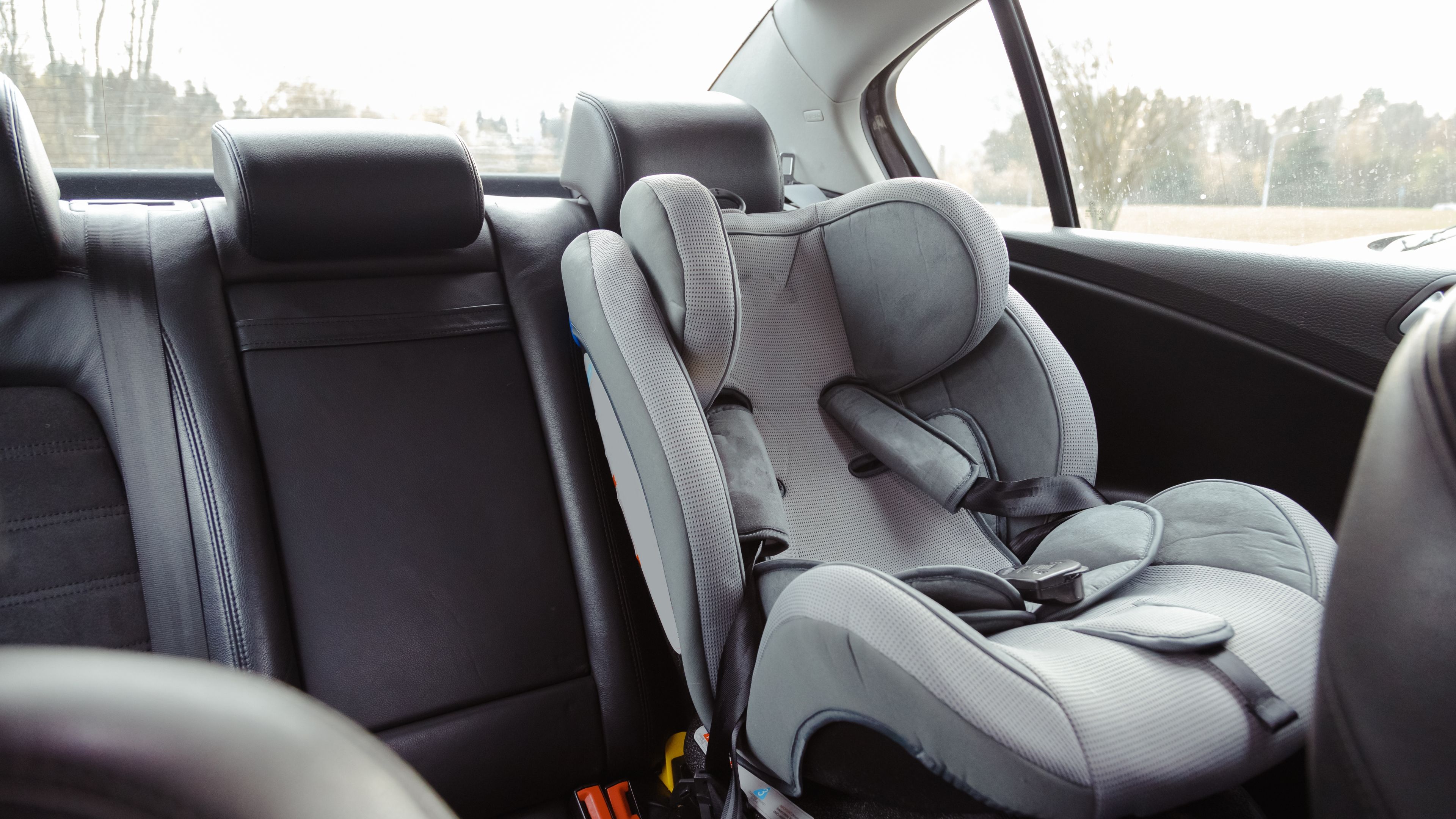
Credit: www.hertz.com
Frequently Asked Questions
What Car Seats Are For What Age?
Infant car seats are for newborns to age 2. Convertible seats suit toddlers up to age 5. Booster seats are designed for children aged 5 to 12.
What Brand Car Seats Is Best?
The best car seat brands often include Graco, Britax, and Chicco, known for their safety features, comfort, and durability. Each offers a range of options to suit different needs and budgets, ensuring a secure ride for your little ones.
Should My 5-Year-Old Be In A Car Seat Or Booster?
Your 5-year-old should use a booster seat until they reach the seat belt’s size requirements, typically around age 8 to 12. Always prioritize safety by checking your car’s manual and local laws for specific guidelines.
Conclusion
Choosing the right car seat is crucial for your child’s safety and comfort. By considering factors such as size, age, and vehicle compatibility, you’re investing in peace of mind. Remember, a well-fitted car seat can be a lifesaver. Drive with confidence knowing your little one is secured and snug.
Stay informed, stay safe.
3 Responses